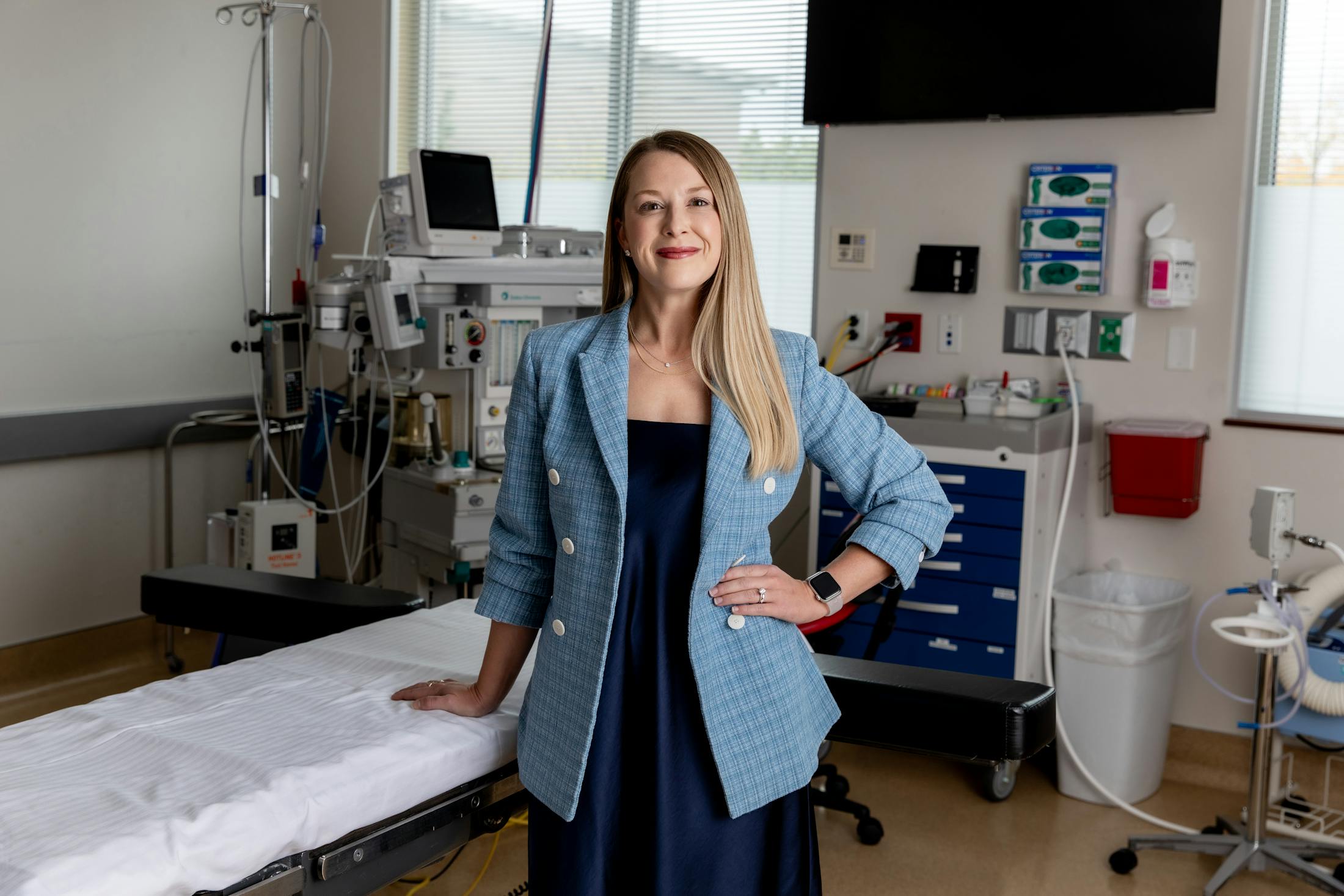
Medically reviewed by Dr. Laura Roider & Dr. Nick Slenkovich



What is Liposuction?
Fat deposits can accumulate due to a variety of factors, such genetics, pregnancy, stress-induced hormonal changeses, or age-related factors like reduced metabolism. Many Denver cosmetic surgery patients become frustrated with these unwanted fat deposits that remain resistant to diet or exercise despite their best efforts. Liposuction is one of the most popular cosmetic surgery procedures among both men and women for removing fat deposits and enhancing their physique. Because Dr. Nick Slenkovich and his staff have extensive experience from having performed this procedure thousands of times, they are considered to have some of the top results in liposuction Denver has to offer.
Select a section to jump to
Colorado Plastic Surgery’s Liposuction Technique
Q&A With Dr. Slenkovich
Is Liposuction Permanent?
Will Fat Return to the Area of Liposuction?
Can Liposuction Get Rid of Cellulite?
Does Colorado Plastic Surgery Center Offer Laser Liposuction?
Are There Risks with Liposuction?
Click Here to Read Introduction to Lipo 360

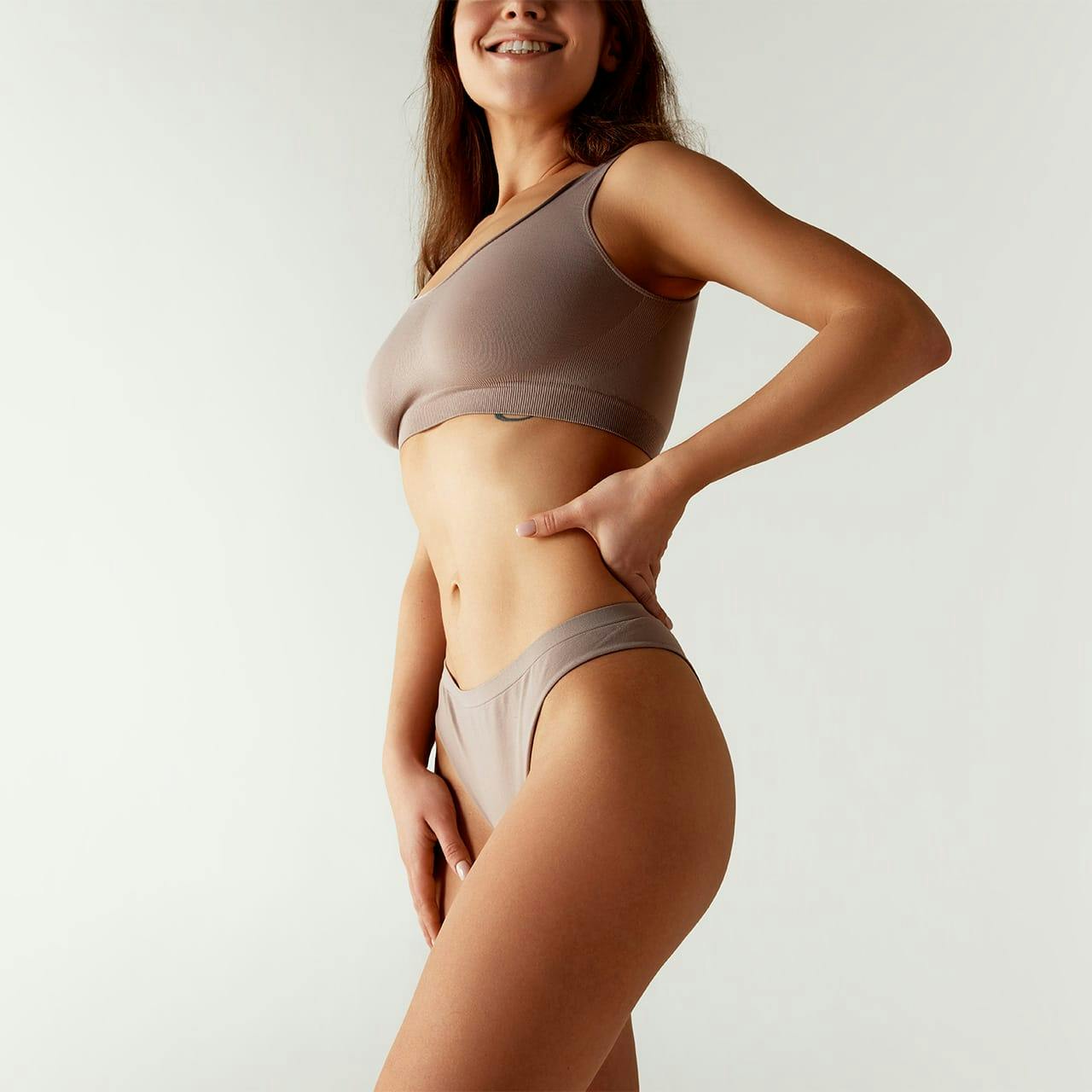
What Body Areas Can Liposuction Treat?
Common treatment areas for our Denver liposuction include the following:
- Neck (under the chin)
- Upper arms
- Abdomen
- Back
- Waist and love handles
- Hips
- Thighs
- Inner knees
- Calves
- Ankles
- Male chest to treat excess breast tissue (gynecomastia)
Liposuction can be performed on a combination of areas at one time or in conjunction with another cosmetic plastic surgery procedures, such as a tummy tuck, arm or thigh lift, or breast augmentation surgery.

Is Liposuction Permanent?
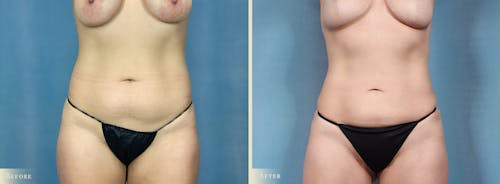
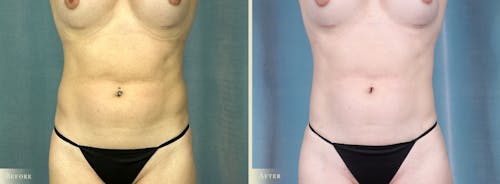
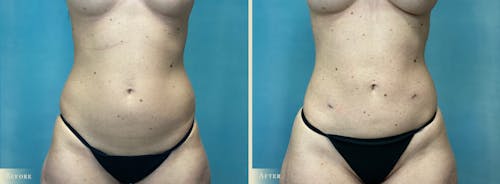
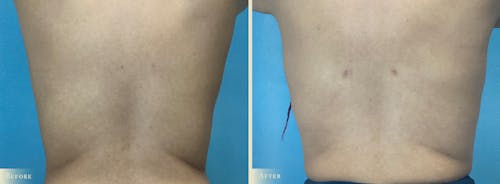
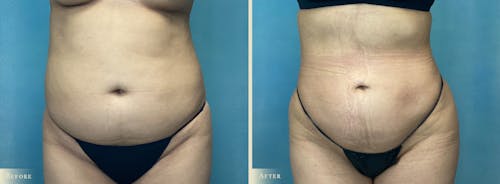
Our liposuction in Denver is intended to permanently improve the contours of the treated areas, balancing proportions and creating a more flattering figure. Most patients find that not only does SAFE Lipo give them the sculpted body contours they desire, but it also improves their self-confidence. We encourage you to visit our photo galleries to view before-and-after photos of our patients.

Q&A With Dr. Slenkovich
Learn More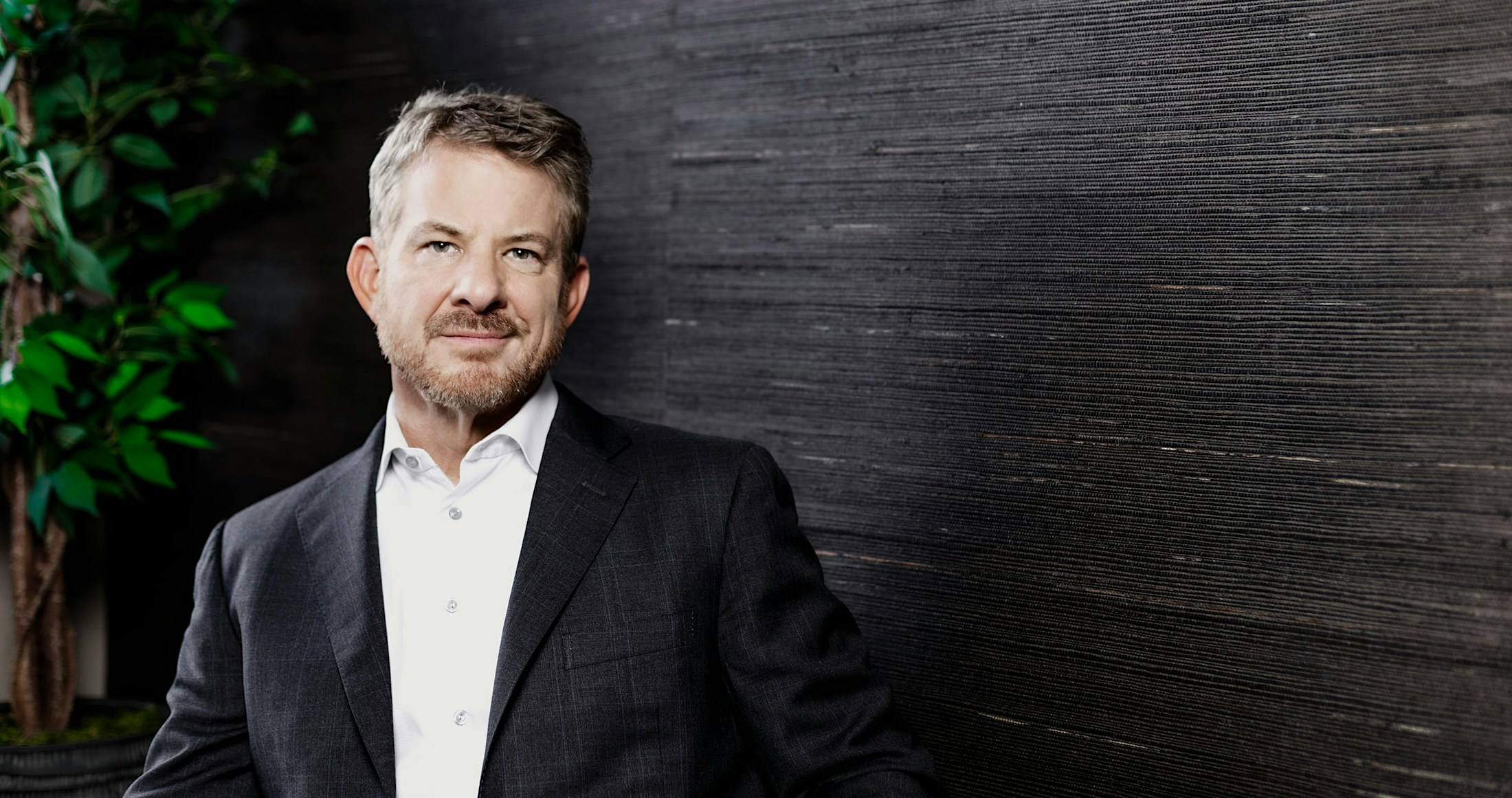
Will Fat Return to the Area of Liposuction?
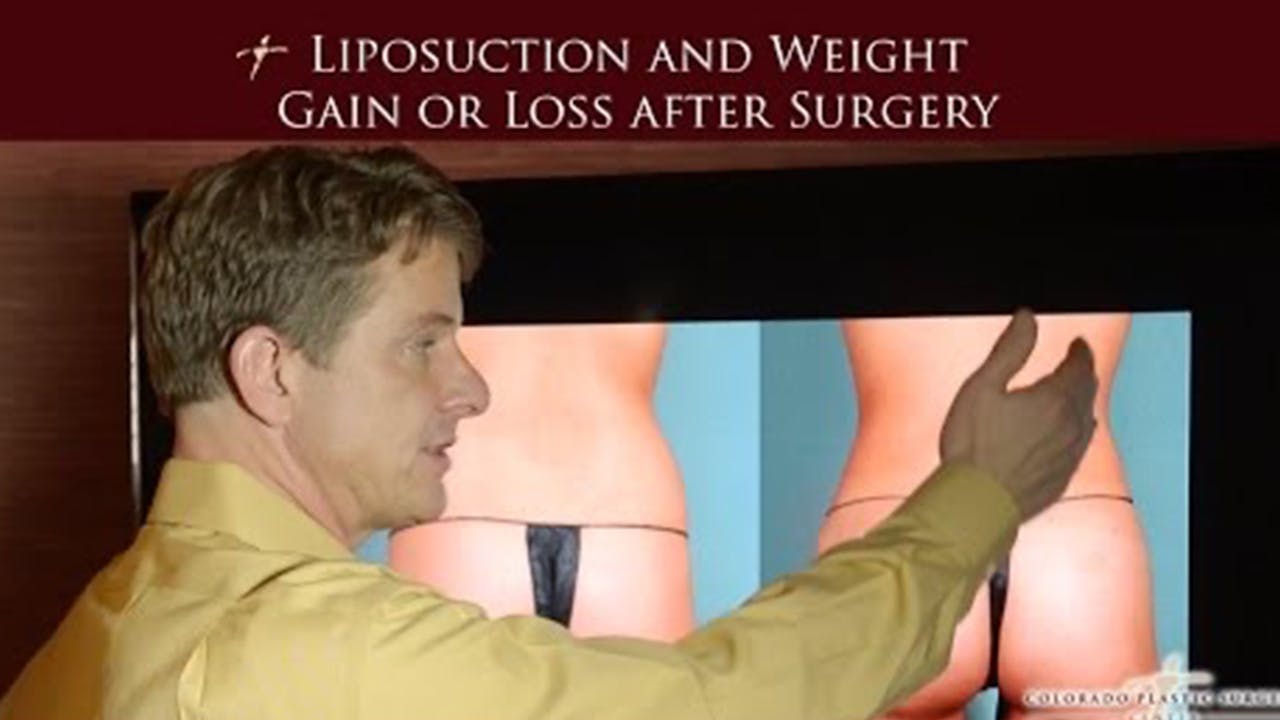
It is important to note that while liposuction does permanently remove fat cells, some fat cells still remain in the treated area. Gaining weight, approximately 10 percent of the body weight or more, can increase the size of the remaining fat cells in the treated area.



How to Tell What Kind of Liposuction is Good for Me
Liposuction techniques and procedure types vary. Which type of liposuction is best for you depends on a number of factors, including your ultimate aesthetic goals and your skin elasticity. All types of liposuction are generally safe and effective when they’re performed by a qualified surgeon.
During your consultation, we will examine your skin and discuss your cosmetic concerns and treatment options to determine which type of liposuction is best for you. Remember, no matter what type of liposuction you get, in order to achieve long-lasting results, it’s important to maintain a healthy, active lifestyle.

Partnering in Your Self-Improvement Journey


Where Is the Surgery Performed?
All cosmetic surgery procedures are performed on an outpatient basis from our adjacent facility, Surgery Center of Colorado. Our surgery center is state-licensed and AAAASF accredited to ensure patient safety and enhance patient care.
Liposuction is typically performed under general anesthesia but can also be performed under IV sedation with a local anesthetic. The type of anesthesia used for your liposuction will depend on the number of treatment areas, treatment locations, and whether it is performed in combination with another cosmetic surgery procedure.
Are There Risks with Liposuction?
Liposuction is a cosmetic surgery, and like any other surgery, there is always a chance of complications. Though complications are rare, the most common issues are minor asymmetries or small irregularities in the treated areas.
To reduce the risk of irregularities, Dr. Slenkovich uses a meticulous fat equalization technique that sculpts the remaining fat cells, distributing them more evenly throughout the treatment area to provide a smoother result. We also include post-operative lymphatic massage therapy with all of our liposuction procedures to reduce tightness, swelling and bruising and promote smoother contouring of final results.
What Is Recovery Like?
Patients can typically go home on the same day as their surgery, with some exceptions, such as combining multiple procedures or certain health factors. Generally, our liposuction patients wear a compression garment starting one week after surgery and for three to four one-to-two weeks following surgery to reduce swelling. From there, they may wear a lighter support garment based on their comfort level. Initial discomfort following your surgery is typically well controlled with oral medication and varies from patient to patient. Generally, patients can return to work one-to-two weeks after surgery, depending on the activity level of their occupation and the extent of liposuction or other combination procedures that may have been performed.
We include in-office perioperative lymphatic massage therapy treatments as part of your liposuction surgery package to aid in the recovery process. Perioperative lymphatic massage therapy reduces swelling, bruising, and discomfort. Bruising and swelling usually subside in two to four weeks. The final results from your liposuction take shape over the next three to six months.


Why Choose Colorado Plastic Surgery Center for Liposuction in Denver
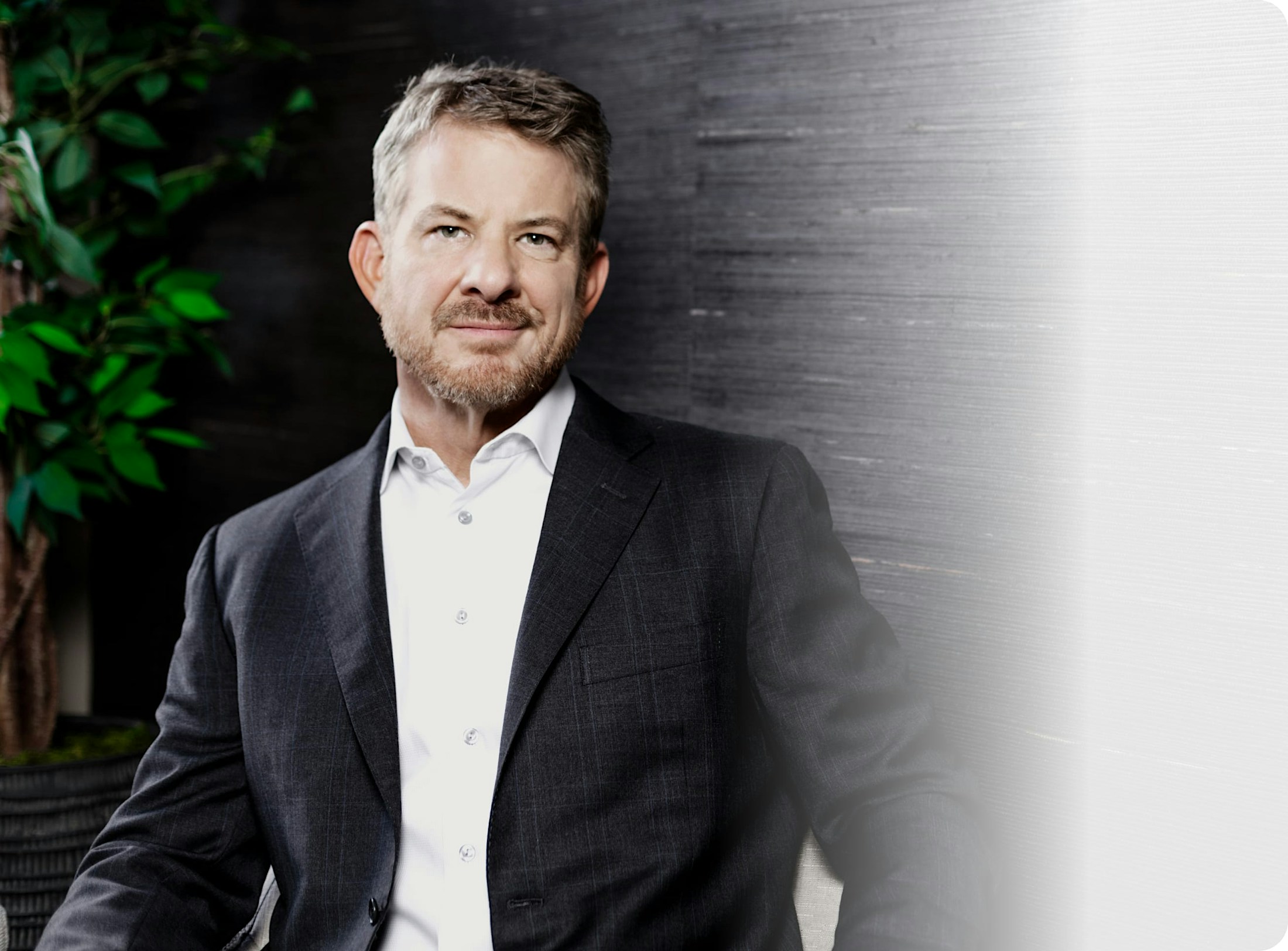
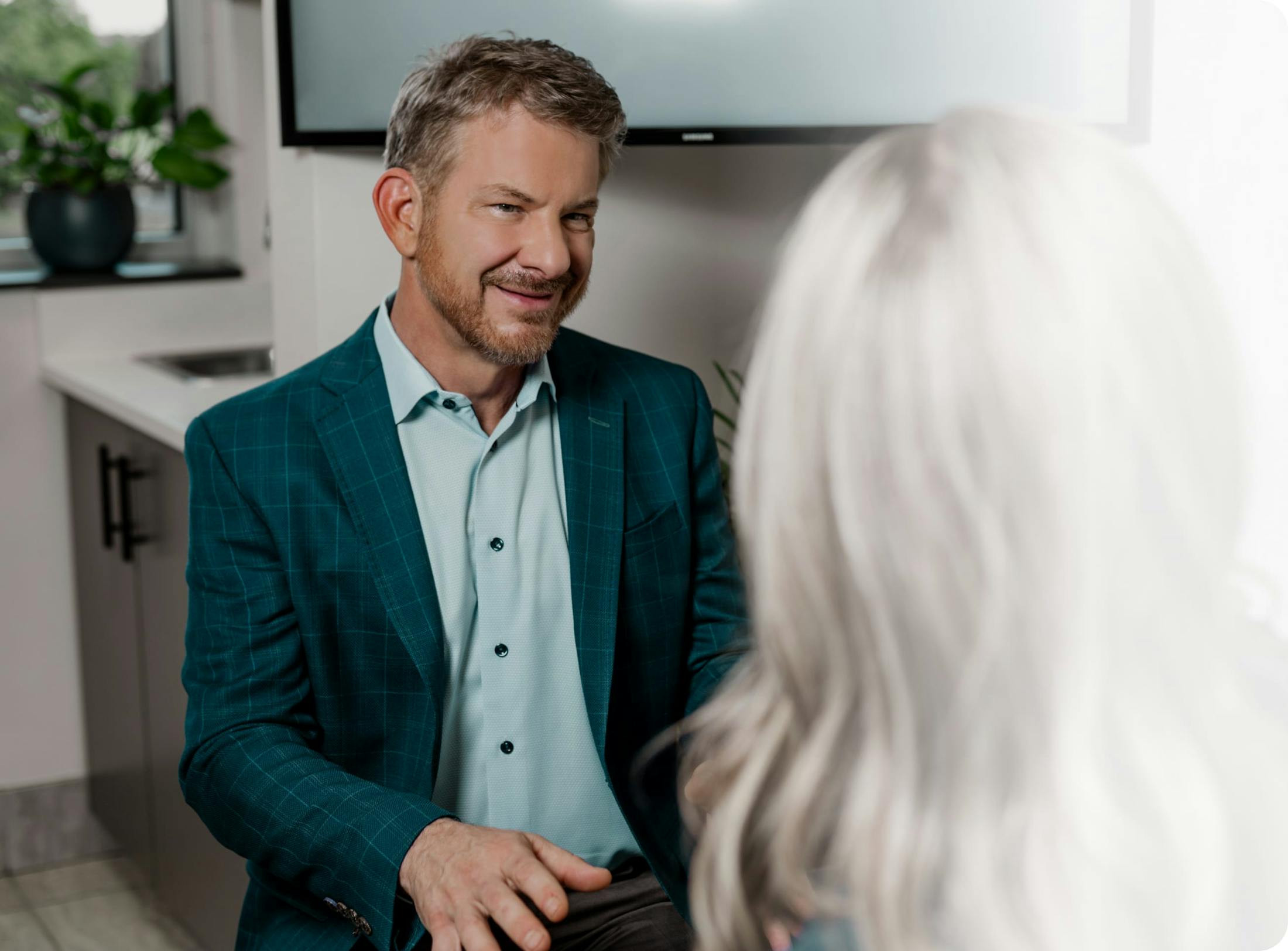
Choosing Colorado Plastic Surgery Center means entrusting your care to a team inspired by Colorado’s adventurous spirit and driven by excellence. Dr. Nick Slenkovich is a board-certified plastic surgeon who completed full residencies in both Plastic Surgery and Otolaryngology (ENT). He is certified by the American Board of Plastic Surgery and has maintained his ENT board certification for over 20 years
Meet Dr. Slenkovich
Carefully Selecting Your Plastic Surgeon Is Absolutely Essential
Respected for both his technical expertise and caring bedside manner, Dr. Slenkovich believes that patient education and honesty are the foundation of successful breast surgery. No two breasts are alike—differences in shape, size, and age must be considered to create natural, beautiful outcomes. Rather than approaching breast augmentation with a standard formula, he focuses on understanding each patient’s anatomy and empowering them to participate in their surgical planning. By tailoring every detail of the procedure to your unique proportions, Dr. Slenkovich ensures results that look harmonious and authentic. His collaborative, communicative style helps patients feel supported from consultation to recovery.
*Organizations and awards associated with Dr. Nick Slenkovich

Meet Dr. Roider
If you are considering liposuction in Denver, we invite you to schedule a consultation
As a board-eligible plastic surgeon at Colorado Plastic Surgery Center, Dr. Laura Anne Roider offers an approachable, results-driven experience for patients seeking breast and body rejuvenation. Her process begins with attentive listening, ensuring she fully understands your goals and concerns before outlining any recommendations. She combines advanced surgical training with a warm, thoughtful style that helps patients feel comfortable and confident. Dr. Roider’s mission is to guide you with honesty, expertise, and compassion throughout your entire aesthetic journey.