Medically reviewed by Dr. Laura Roider & Dr. Nick Slenkovich


Select a Section to Jump to:
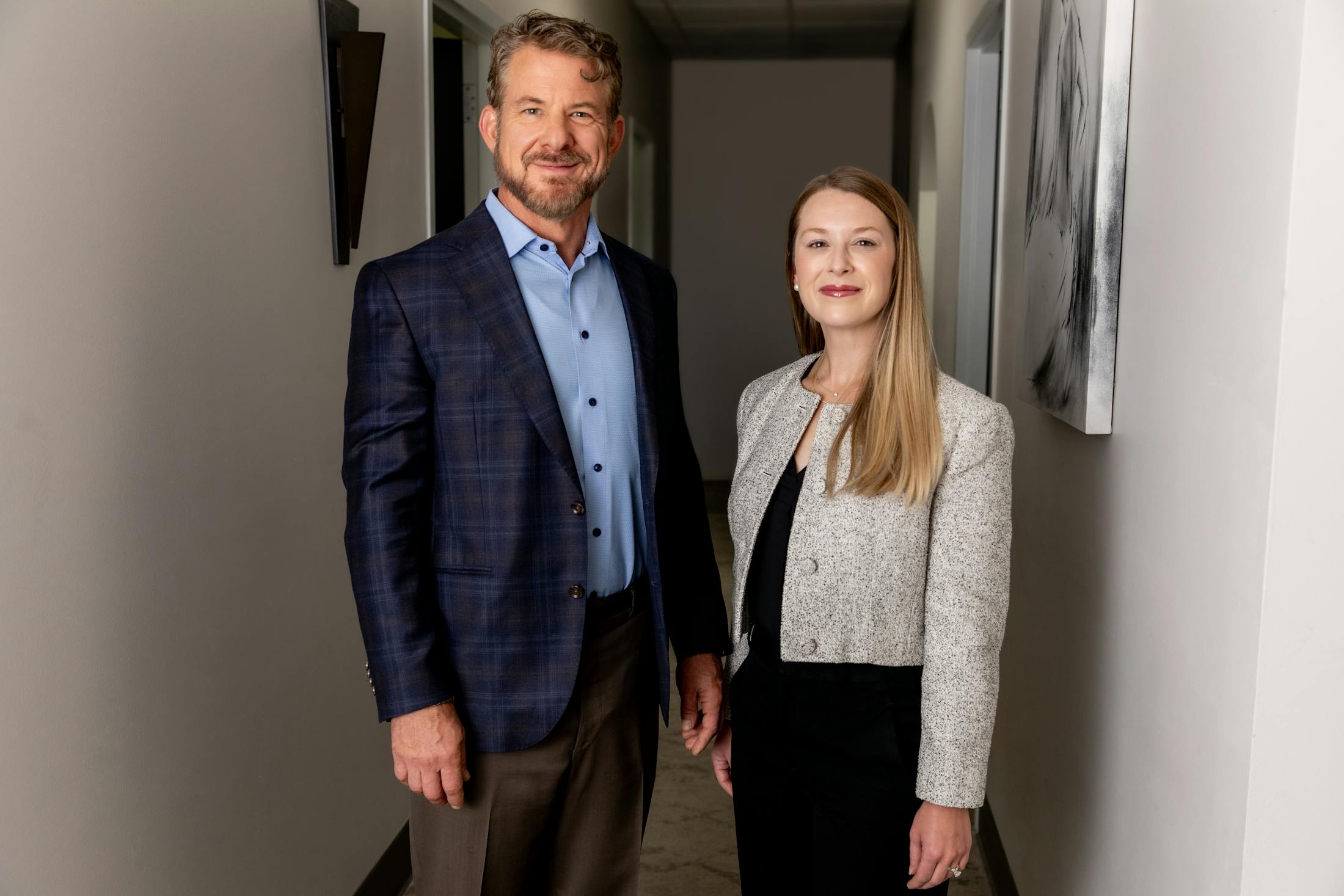
Denver's Leading Breast Augmentation Surgeons Dr. Slenkovich and Dr. Roider
Breast augmentation is one of the most frequent procedures performed at Colorado Plastic Surgery Center, with 10-15 performed every month.
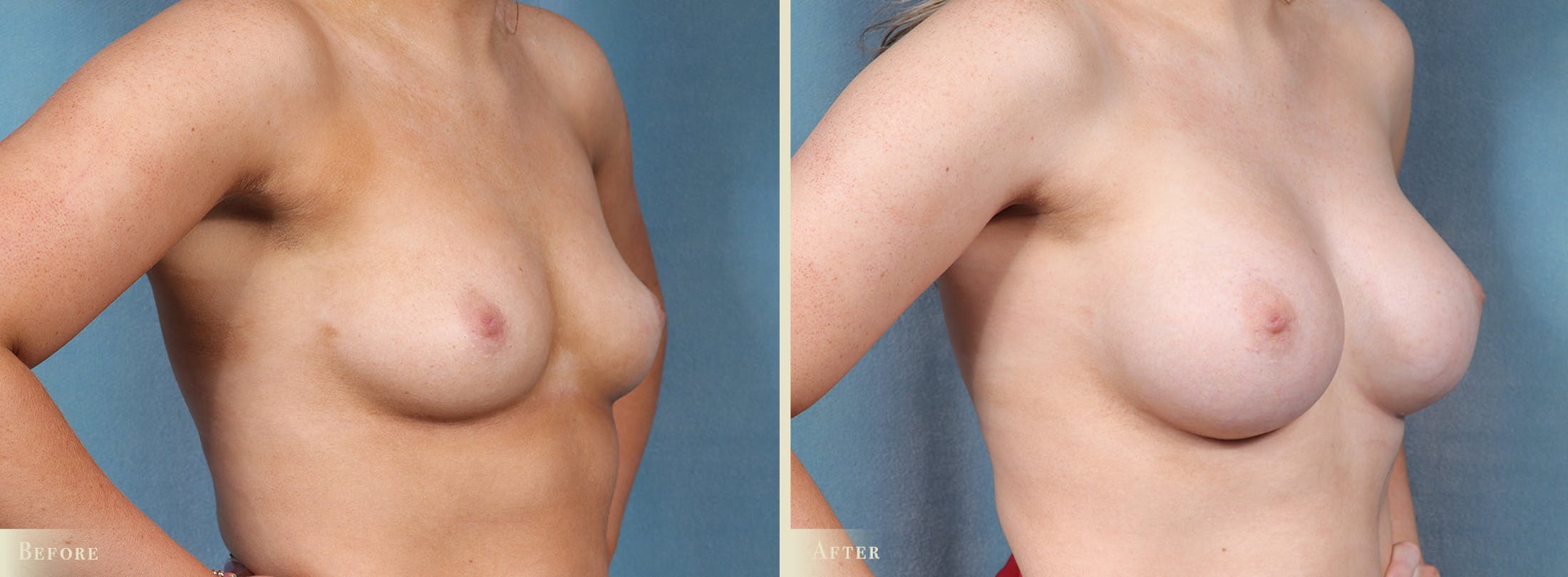
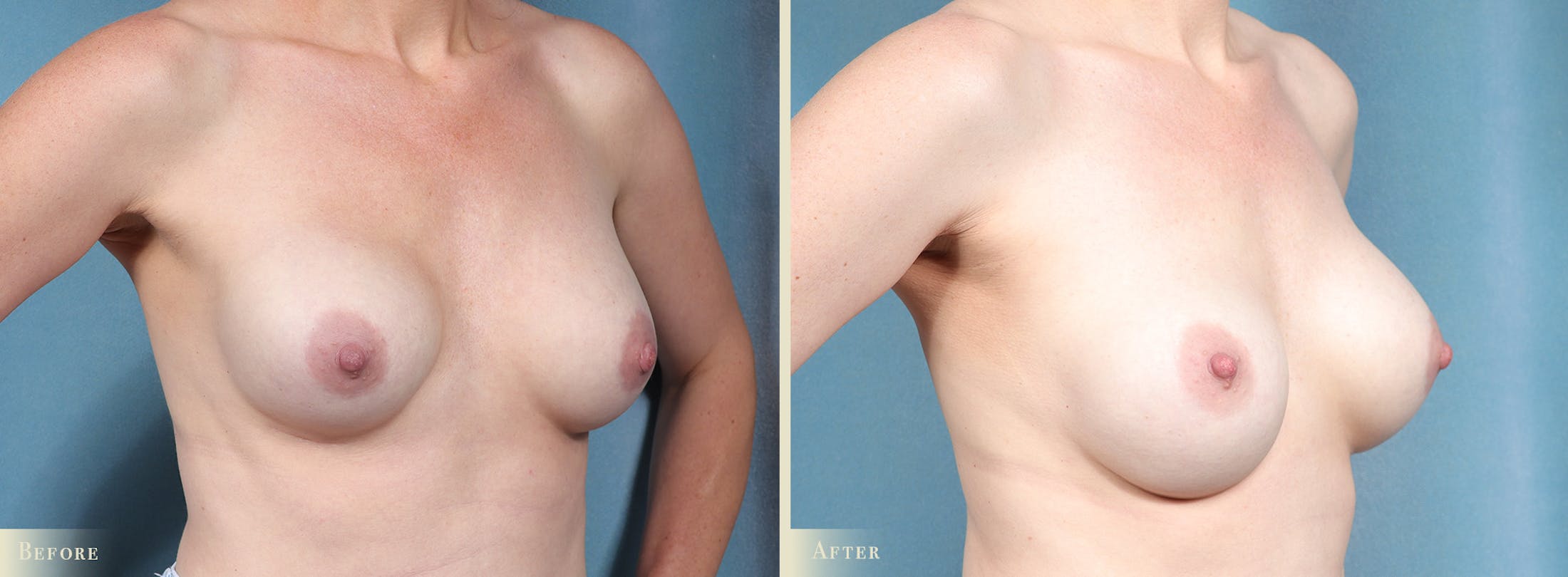
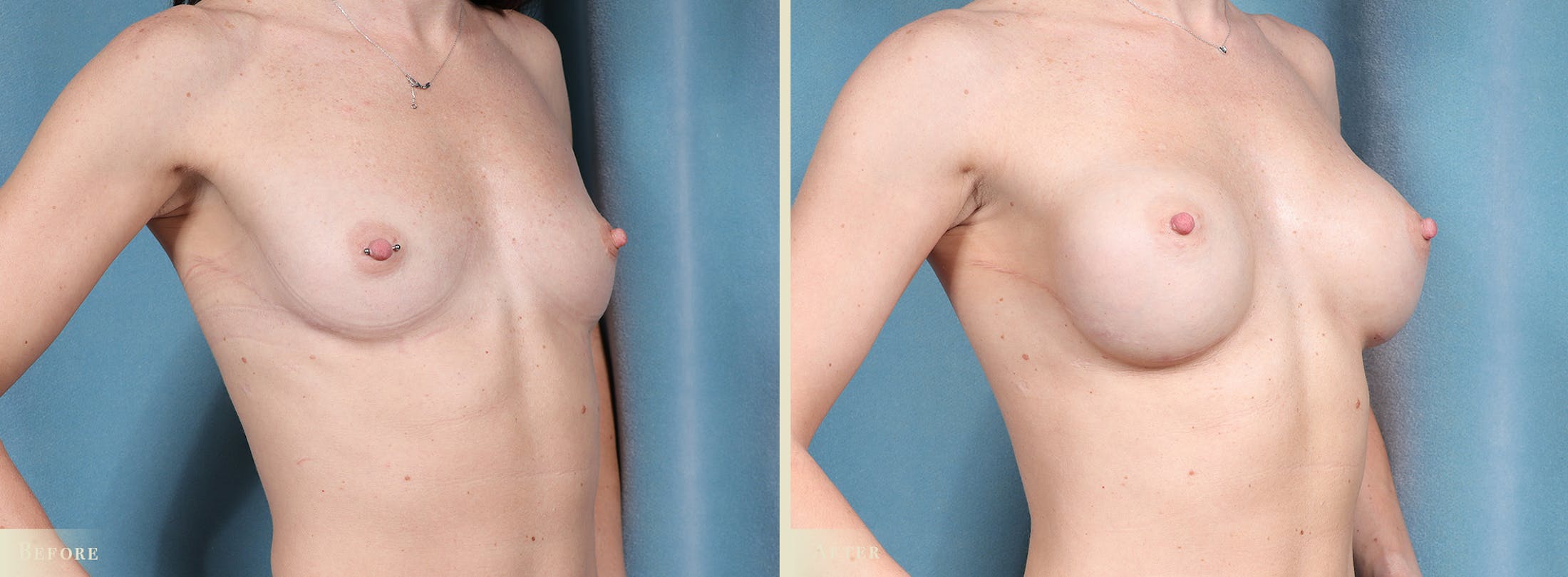
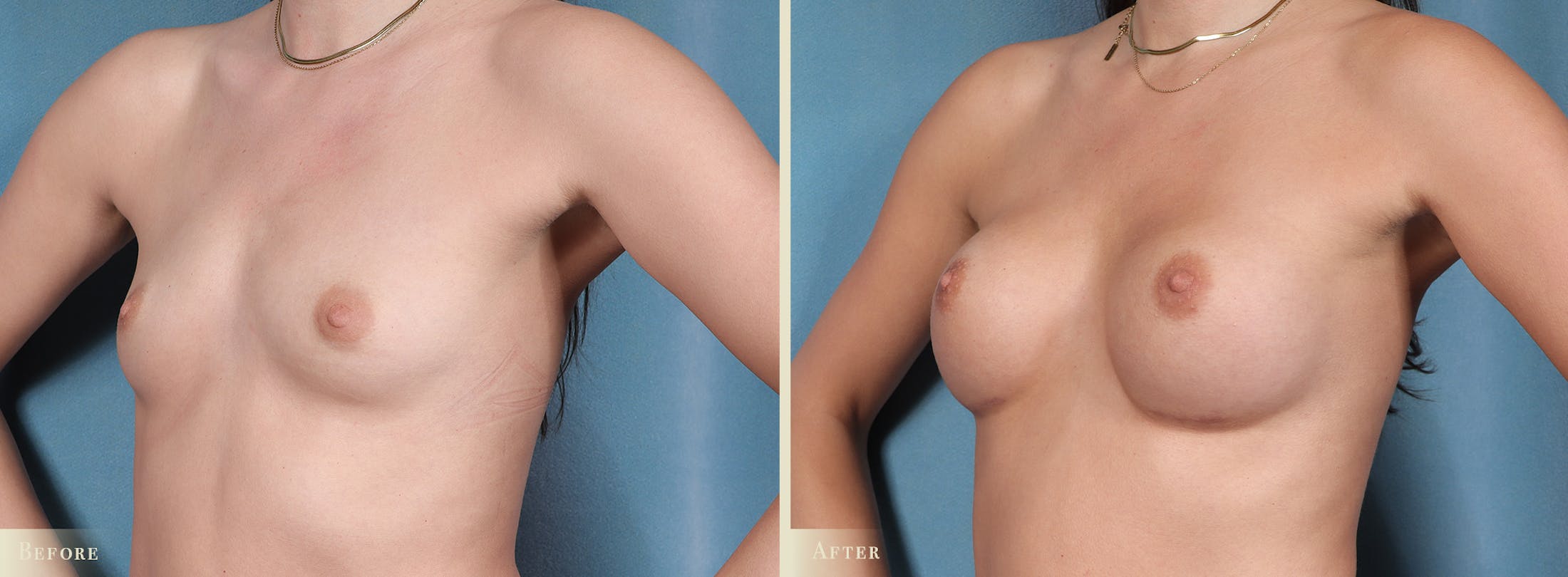
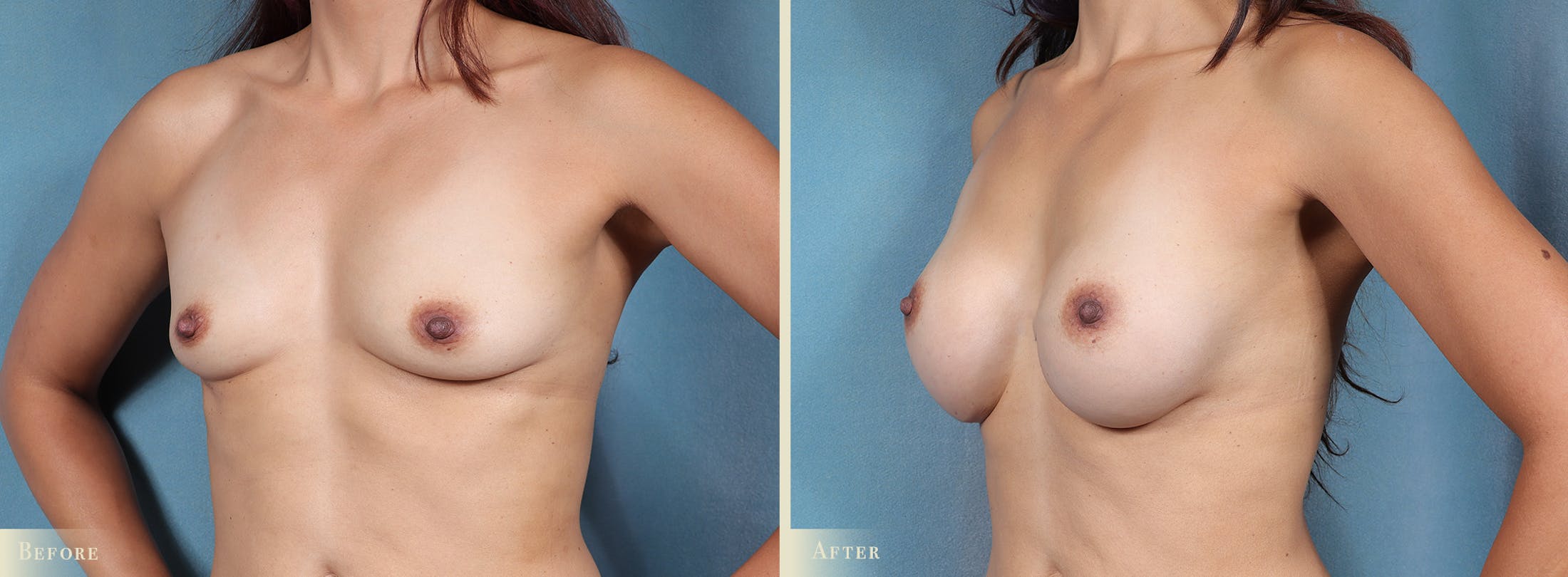
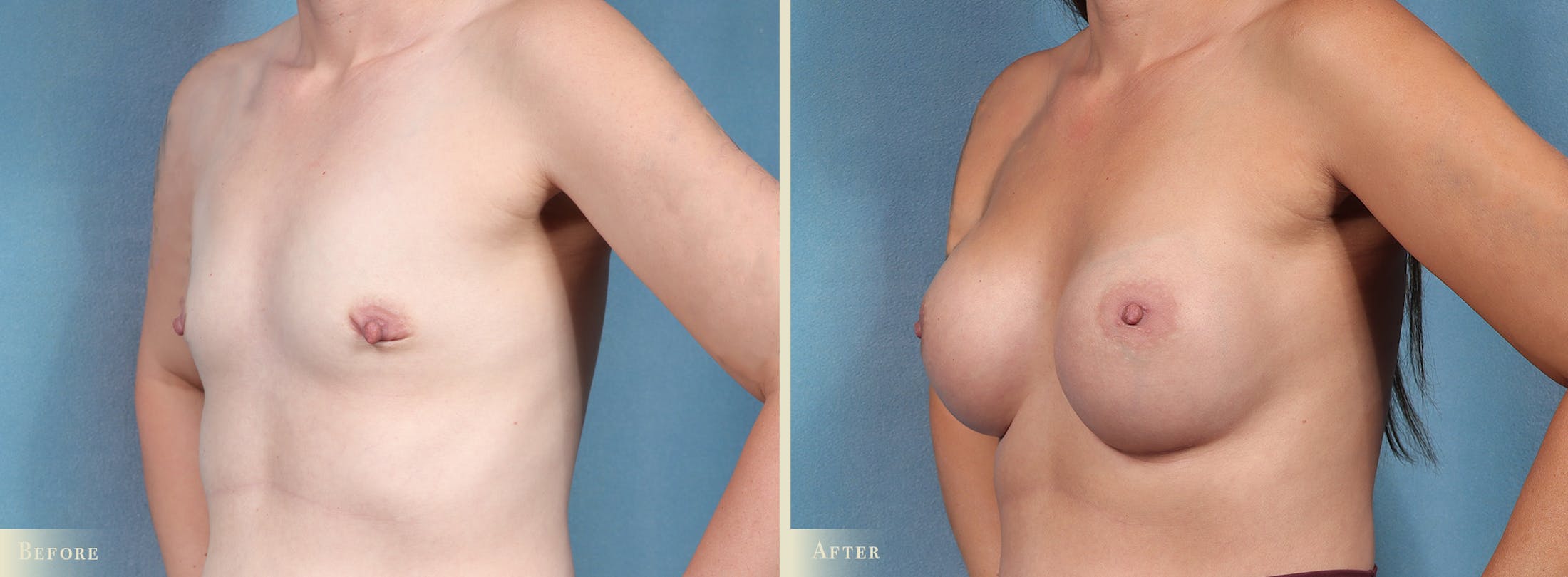
If you're seeking fuller cleavage, improved symmetry, restored volume after pregnancy or weight loss, or a more proportional silhouette, breast augmentation may be the right option for you. Review our gallery of breast implant before-and-after photos of actual patients to see the range of results achieved at our practice.
Breast augmentation surgery is performed on an outpatient basis in our state-licensed and AAAASF-certified surgery center, conveniently located adjacent to our office in Littleton, Colorado, providing ease of access for Denver breast implant patients. Our breast augmentation procedures are performed under twilight anesthesia rather than general anesthesia, which can mean a smoother, faster recovery for eligible patients. Women are typically back to non-strenuous work/activities in a few days. Learn more about the process and what to expect from start to finish with our Breast Augmentation timeline.
Before & After

Learn About Augmentation
Beyond choosing implant type, there are a few other core decisions that shape your results — including where the implant sits relative to your chest muscle, and which surgical technique or technology is the best fit for your anatomy. This section walks through those choices.
Implant Placement: Above or Below the Muscle
Breast implants can be placed either above the chest muscle (subglandular or subfascial placement) or below it (submuscular or dual-plane placement).
Below-the-muscle placement is the more common choice for women with less natural breast tissue, since the muscle helps camouflage the edges of the implant and reduces the risk of implant visibility or palpable rippling. It may also lower the risk of capsular contracture in some cases.
Above-the-muscle placement typically involves a shorter recovery and no distortion when the chest muscle flexes (animation deformity) and may be well suited for women with more natural tissue to cover the implant, or those returning to activities that heavily engage the chest muscles. Your surgeon will help you weigh these trade-offs based on your anatomy, lifestyle, and goals during your consultation with the help of 3D simulation.
Pros and Cons of Saline Breast Implants
Pros:
- Smaller incisions than silicone
- You will know if there is any implant leakage right away
- The saline is easily absorbed by the body in the case of rupture
Cons:
- A less natural look than silicone
- The feeling of the implant is less natural
- Not recommended for women with minimal breast tissue, as sometimes implant rippling can be seen
- Rapid deflation if rupture occurs
Pros and Cons of Silicone Breast Implants
Pros:
- Stable, cohesive shape (gummy bear)
- Will not leak/deflate
- A more natural look/feel than saline
- The best option for women with minimal breast tissue due to a decreased chance of implant rippling
Cons:
- The procedure calls for a slightly larger incision than saline
- In the unlikely case of a rupture, the implant would not deflate like a saline implant; we recommend routine imaging to assess the implant's integrity per current FDA guidelines



Your Consultation
During your consultation, one of our Denver Body Docs, either Dr. Roider or Dr. Slenkovich, will review your medical history and discuss your unique cosmetic goals to determine if augmentation with implants is the correct procedure for you. At Colorado Plastic Surgery Center, we focus on selecting an implant that will fit your frame and produce the result you desire. During your breast augmentation consultation as part of our patient-centered partnership, we use 3D imaging technology which lets you help guide the decision-making around your implant size and style, setting a foundation for you and your surgeon to have a shared vision. This technology allows you to take an active role in your journey.


Breast Augmentation FAQs
Will there be visible scarring?
In breast augmentation surgery, the incisions are placed discreetly in the breast crease. This scar is thin, hidden in the crease, and fades nicely over time. At Colorado Plastic Surgery Center, we approach scar outcomes proactively, starting with a careful incision technique. To further commit to our partnership with you, we will recommend and provide scar therapies in the post-operative phase to ensure that your scarring is minimized.
Will I still be able to breastfeed after a breast augmentation?
Most women are still able to breastfeed after a breast augmentation, as long as the method of breast augmentation used does not interfere with the nipples or milk ducts. When a breast augmentation is combined with other procedures such as a breast lift, there is a higher potential for compromised nipple or duct function. These concerns can be discussed with your surgeon prior to your procedure.
Do you recommend using mesh support (an 'internal bra') during breast augmentation?
In many cases, yes! Placing a supportive mesh, sometimes called an internal bra, around the implant is a technique our surgeons may recommend to provide additional internal support for the implant during the healing process. In addition to potentially helping minimize the risk of capsular contracture, its main goal is to decrease the rate of implant malposition and support a more lifted, natural position over time. The recommendation for mesh placement is individualized and depends on tissue quality, your goals, and implant size.
How do I know if I need to combine a breast lift with a breast augmentation?
If you desire changes to your breasts beyond just an increase in size, such as perkier or rounder breasts, a higher breast position, bringing the breasts inward for more natural cleavage, or changes to nipple position/size, then a breast lift (mastopexy) may be suggested in conjunction with a breast augmentation. To receive an augmentation without the lift may result in breasts looking fuller but still sagging low on the chest wall, often referred to as a waterfall or snoopy deformity. A consultation using our 3D breast imaging technology can help you better visualize which procedure(s) may be right for you.
Can breast augmentation correct tuberous breast deformity?
Yes. Tuberous breasts are a congenital variation in breast development, often marked by a narrow breast base, minimal lower pole fullness, and puffy or herniated areolas. Because the underlying breast tissue and skin envelope are different from typical anatomy, correcting tuberous breasts often requires a little more than a standard augmentation. However, this is something both Dr. Roider and Dr. Slenkovich treat frequently. Depending on your anatomy, Dr. Slenkovich or Dr. Roider may recommend additional techniques performed during your breast augmentation to optimize your results, such as radial scoring of tight tissue bands, lowering the breast fold, reducing the nipple areola complex (NAC) size, or rarely a staged approach combining augmentation with a lift or tissue expansion. This is addressed individually during your consultation, using 3D imaging to help plan the right approach for your anatomy.
What is a silicone 'gummy bear' implant?
The term 'gummy bear' refers to all modern-day silicone implants. They are considered the latest generation of highly cohesive silicone gel. This highly cohesive silicone gel not only maintains its round, implant shape within the breast, but makes complications from rupture far less likely. Just as you can cut a gummy bear in half and it will retain its form and shape, a cohesive gel 'gummy bear' implant will do the same.
How long do breast implants last?
People tend to think that you have to get your implants replaced within a certain time period such as 10 years, but this is not the case! If you are not having problems with your implants, then there is no need to replace them. Women tend to replace their implants if they want to change sizes, if the implant is ruptured, or if they are experiencing complications (such as implant malposition or capsular contracture). The FDA recommends screening all silicone implants via ultrasound or MRI 5 to 6 years after breast augmentation surgery, then every 2 to 3 years after that.
Will there be any loss of sensation in my breasts after a breast augmentation?
It is common to have temporary changes to sensation of the breasts and/or nipples after breast augmentation surgery, which generally comes back within a few weeks after surgery. It is also common that, as the sensation returns, the breasts may become overly sensitive. This is also temporary. In rare cases, permanent changes to sensation can occur.
Will I need a mammogram before breast augmentation?
If you are 30 or older, we may require a baseline mammogram prior to surgery. This establishes a pre-operative reference point for your breast health and is a standard, precautionary step rather than a sign of any specific concern.
Are there any risks associated with the breast augmentation procedure?
All surgeries carry some risks, such as bleeding, bruising, and swelling. There is also a low risk of infection, hematoma, or seroma. These can be minimized by ensuring that your surgeon is well trained, experienced, and recognized for achieving excellent outcomes. Capsular contracture is a specific risk associated with breast implant procedures. Historical studies on traditional implants have reported rates as high as 1 in 5-6 over a 10-year period, but more recent studies using modern smooth implant technology, like the Motiva implants used at Colorado Plastic Surgery Center, report considerably lower rates. There are certain steps that can be taken to further reduce the risk of developing capsular contracture, and it is important to choose a surgeon who is dedicated to minimizing those risks. At Colorado Plastic Surgery Center, our surgeons are highly attentive to the technical measures that decrease capsular contracture, including the use of a funnel for implant insertion, protection of the skin during surgery, and sterile technique. For patients who do develop a thickened capsule or early signs of capsular contracture, we may use the Aspen Therapy System to help soften the tissue and treat it in its early stages. Loss of sensation, which is discussed above, implant rupture, and implant deflation (if saline) are also risks associated with breast augmentation surgery.
Cost of Breast Surgery
Colorado Plastic Surgery Center provides comprehensive, all-inclusive surgical quotes for all breast surgery procedures. To discuss personalized pricing, call our office at (720) 594-5634 or use our Price Estimator before getting connected with one of our Patient Care Coordinators. In terms of cost, there are a number of financing options available, so that cost doesn't have to stand in the way of giving yourself something you've wanted for a long time.

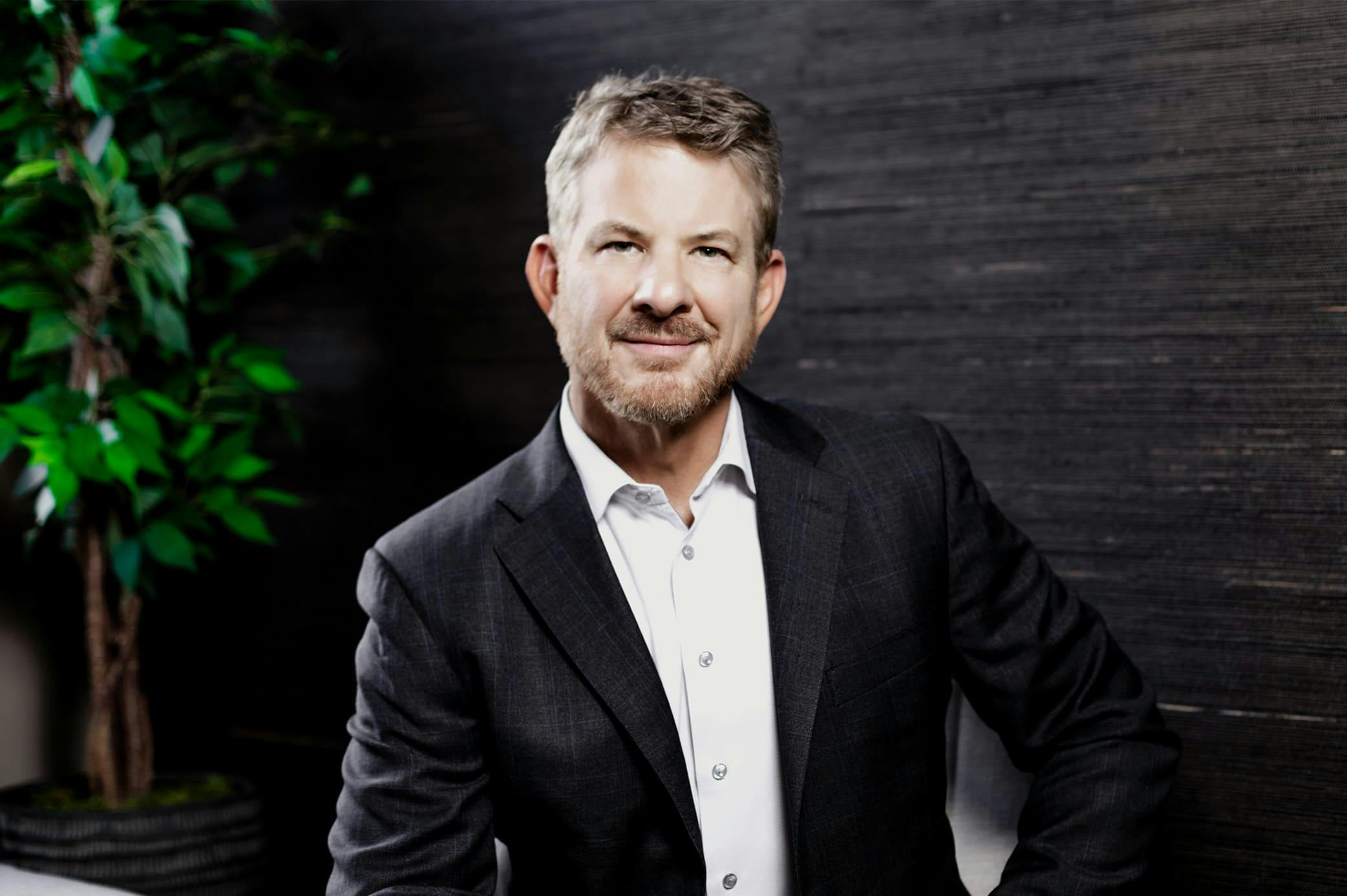
Meet Dr. Slenkovich
Dr. Slenkovich is a skilled and caring plastic surgeon who is honest with patients and committed to patient education. Dr. Slenkovich takes the time to customize each breast augmentation procedure for optimal and natural results based on your individual body shape, breast shape, and natural contour. He also actively listens and prioritizes open communication and collaboration toward your surgical plan.
“I'm a perfectionist when it comes to cosmetic surgery. Frankly, you shouldn't even consider a surgeon who isn't. I truly want your results to be as beautiful as possible for you.” -Nick Slenkovich, MD FACS
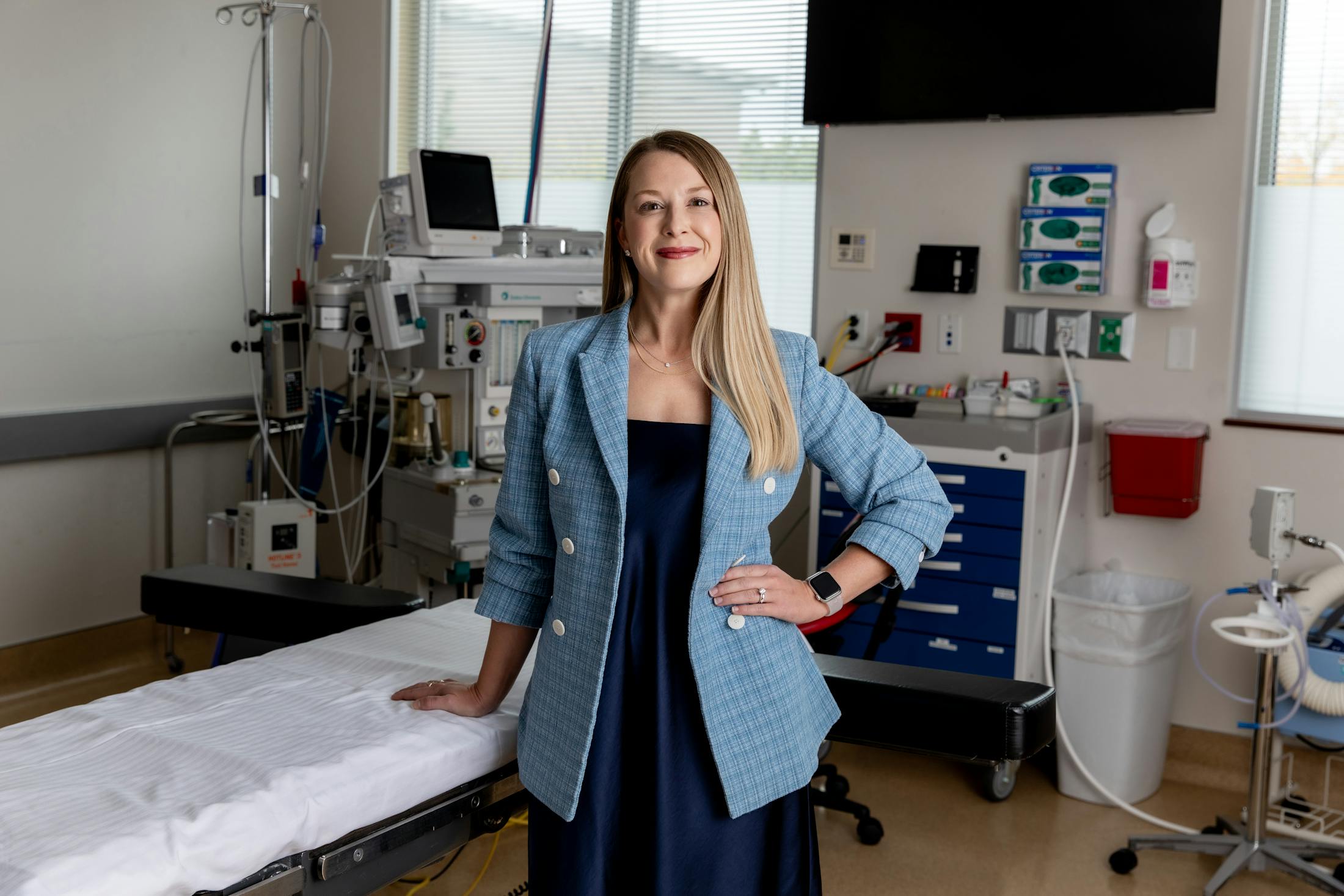
Meet Dr. Roider
Dr. Laura Roider is passionate about providing the best results for her patients, and her practice focuses on breast and body surgery. She takes a warm, patient-first approach, starting with active listening: understanding each patient's goals, concerns, and vision. She then creates a personalized treatment plan that aligns with their values and supports their well-being. Patients appreciate her combination of meticulous surgical training, thoughtful guidance, and genuine kindness. Dr. Roider is here to support and inform you throughout your experience.
“My experience with Dr. Roider was great! I felt like she listened to me and delivered with great results. I'm really glad I chose her for my surgery, and I've already recommended her to everyone that asks!” – Real Breast Augmentation Patient